[Xinjiang Juteng Steel Structure Products Co., Ltd.] With the continuous expansion of industrial parks in Xinjiang and the concentrated implementation of new energy, chemical, mineral, and new material projects, the shortcomings of traditional brick-and-concrete plants, such as long construction cycles, high self-weight, difficult renovation, and weak seismic resistance, have gradually become prominent. However, steel structure buildings have become the mainstream choice for industrial construction in Xinjiang due to their advantages such as short construction period, high strength, large span, seismic and wind resistance, reusability, and adaptability to the Gobi climate.
Xinjiang has a vast territory, strong winds, large temperature differences, and severe winters, requiring high standards for the structural stability, wind and snow resistance, and overall safety of factory buildings. Steel structures are light in self-weight, strong in load-bearing capacity, and have good overall toughness, which can effectively resist structural deformation caused by strong winds, earthquakes, and temperature differences. They are highly adaptable to the construction and usage environments in Gobi desert areas such as Hami, Yiwu, and Lop Nur. Compared with traditional buildings, the construction of steel structure plants is less affected by seasons. The factory prefabrication and on-site assembly model significantly shortens the construction period, allowing enterprise projects to be put into operation and land faster.
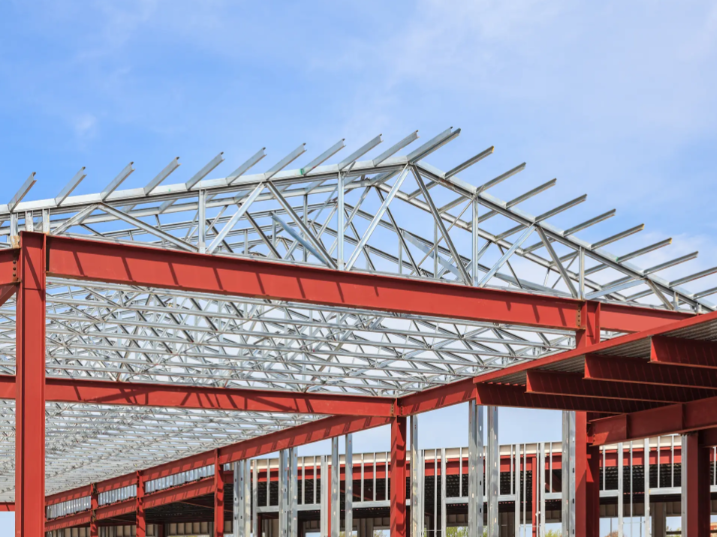
Meanwhile, modern industry has increasingly high requirements for the space utilization rate of factory buildings. Large-span beamless arched slabs, large-span steel frames, steel trestles, and steel platform structures can achieve column-free large spaces to meet industrial needs such as production line layout, large equipment placement, material transfer, and corridor transportation. When enterprises expand capacity, carry out technical transformations, or upgrade equipment later, steel structure buildings offer flexible renovation and convenient assembly/disassembly, significantly reducing renovation costs.
Under the trend of green development, steel structures belong to green prefabricated buildings. The steel is recyclable, construction waste is minimal, and it is energy-saving and environmentally friendly, fully complying with the green and low-carbon construction standards of Xinjiang's industrial parks. From coal washing plant renovations, chemical air separation plants, and pilot base plants to new energy battery factories and intelligent packaging workshops, steel structures have become the standard building system for mining enterprises, new materials, and new energy projects in Xinjiang.
Xinjiang Juteng Steel Structure Products Co., Ltd., which deeply cultivates the local Xinjiang market, relies on a complete set of intelligent processing equipment and mature construction teams to professionally undertake various light and heavy steel plants, frame buildings, steel corridors, steel platforms, and large-span roof enclosure structure projects. They adapt to Xinjiang's complex working conditions and harsh climate, providing stable and safe overall steel structure solutions for local enterprises.

